
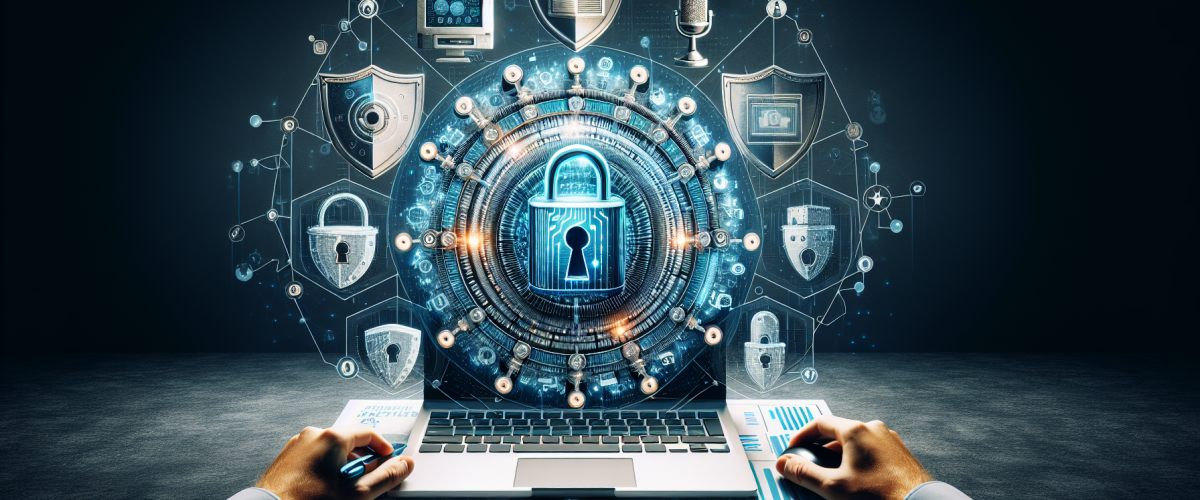
In an increasingly interconnected world, Voice over Internet Protocol (VoIP) systems powered by Session Initiation Protocol (SIP) have become crucial for effective communication. However, this rise in reliance on SIP has also led to numerous security challenges. Cybercriminals are constantly finding new ways to exploit vulnerabilities within SIP infrastructure, making it essential for organizations to implement robust security measures. This article outlines effective SIP attack prevention strategies to secure your communication systems.
Understanding SIP and Common Attack Vectors
SIP is a signaling protocol widely used for initiating, maintaining, and terminating voice and video calls over the internet. Although SIP brings many advantages, including cost savings and flexibility, it is also susceptible to various attack vectors, such as:
- SIP Trunking Attacks: Attackers can intercept and misuse SIP trunks to gain unauthorized access to communication services.
- Denial of Service (DoS) Attacks: These attacks flood SIP servers with traffic, making them unavailable for legitimate users.
- Session Hijacking: Cybercriminals can take over an existing session, leading to unauthorized access and data breaches.
- Phishing and VoIP Spam: Attackers may use social engineering or spam calls to trick users into revealing sensitive information.
Essential SIP Attack Prevention Strategies
1. Implement Network Security Measures
One of the fundamental steps in securing SIP communications is to strengthen the underlying network security. This can include:
- Firewalls: Employ firewalls specifically designed for VoIP traffic to control incoming and outgoing SIP packets.
- Intrusion Detection Systems (IDS): Use IDS to monitor SIP traffic for unusual patterns that may indicate an attack.
- VLANs: Segregate VoIP traffic into dedicated Virtual Local Area Networks (VLANs) for added security.
2. Use SIP Authentication and Encryption
Ensuring that only legitimate users access your SIP services is crucial. Implement strong authentication mechanisms to verify user identities:
- Digest Authentication: This method secures SIP signaling by requiring users to authenticate with a hashed password.
- Transport Layer Security (TLS): Utilize TLS to encrypt SIP messages, offering protection against eavesdropping and tampering.
3. Regularly Update and Patch Software
Always keep your VoIP systems and SIP software up to date. Regular updates and patches can protect against known vulnerabilities:
- Maintain Software: Frequent updates ensure that any security loopholes are addressed promptly.
- Monitor Vendor Advisories: Keep an eye on advisories from SIP vendors regarding security vulnerabilities.
4. Implement Rate Limiting
Rate limiting helps prevent DoS attacks by controlling the number of requests a user can make in a specific timeframe:
- Define Limits: Set thresholds for calls per second for individual users or IP addresses.
- Queue Management: Implement queuing systems to manage excessive requests gracefully.
5. Foster User Education and Awareness
In many cases, users are the weakest link in security. Foster a culture of security awareness:
- Conduct Training: Regularly train users on recognizing phishing attempts and securing their communication.
- Provide Resources: Offer supportive resources, such as FAQs and quick guides on safe communication practices.
Conclusion
Securing SIP communications requires a multifaceted approach combining technical measures and user awareness. By implementing the strategies discussed, organizations can fortify their defenses against SIP attacks, thus ensuring privacy and the integrity of their communications. As cyber threats continue to evolve, ongoing vigilance and proactive security measures remain essential in safeguarding against potential vulnerabilities in SIP infrastructure.
FAQs
1. What is SIP, and why is it important?
SIP (Session Initiation Protocol) is a signaling protocol used for initiating, maintaining, and terminating voice and video calls over the internet. It is essential because it facilitates efficient communication between users, impacting both individual and organizational connectivity.
2. How can organizations prevent DoS attacks on their SIP systems?
Organizations can prevent DoS attacks by implementing security measures like rate limiting, using firewalls, and monitoring network traffic for anomalies that may indicate an attack.
3. What role does user education play in SIP security?
User education is vital in SIP security as it empowers employees to recognize potential threats, such as phishing attempts, thereby reducing the likelihood of human error leading to security breaches.