
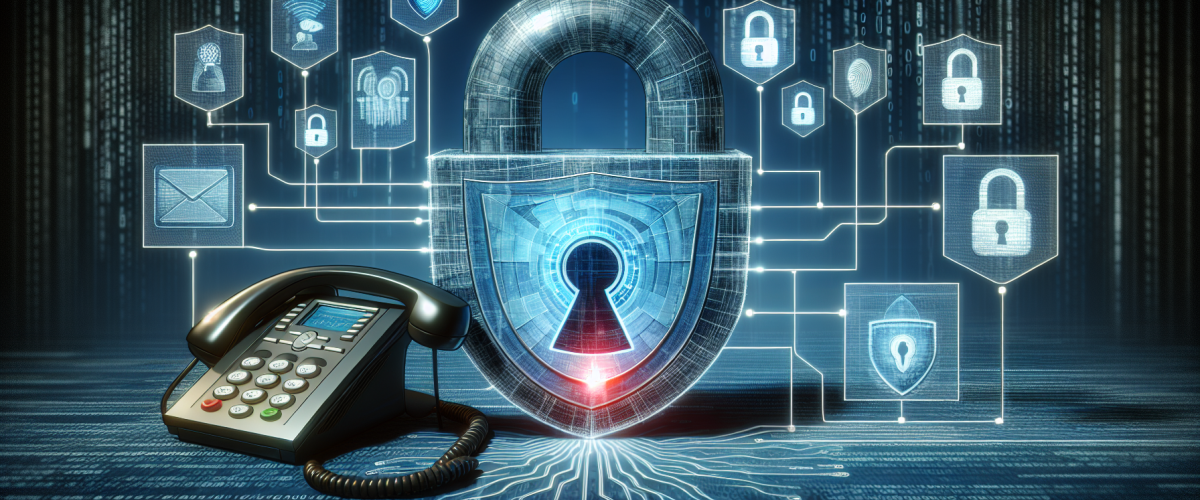
Voice over Internet Protocol (VoIP) has revolutionized the way we communicate, offering flexibility and cost-efficient solutions for personal and business communications alike. However, with these advancements come significant security risks. As organizations continue to adopt VoIP technologies, securing these platforms has become more critical than ever. One of the most effective ways to enhance VoIP security is through Multi-Factor Authentication (MFA).
Understanding VoIP Security Risks
VoIP systems, while advantageous, are susceptible to various security threats, including:
- Unauthorized Access: Attackers can exploit vulnerabilities in VoIP systems, leading to unauthorized access to sensitive communications.
- Call Interception: Eavesdropping on calls can lead to leaking confidential information.
- DDoS Attacks: Distributed Denial of Service attacks can overwhelm VoIP servers, rendering them unusable.
- Data Breaches: Sensitive user data stored in VoIP systems can be compromised, leading to severe privacy violations.
What is Multi-Factor Authentication?
Multi-Factor Authentication (MFA) is a security method that requires multiple forms of verification before granting access to an account or system. Unlike traditional single-factor authentication, which typically requires only a password, MFA adds an extra layer of security by requiring additional verification methods.
These verification methods may include:
- Something You Know: This could be a password or PIN.
- Something You Have: This could be a mobile device receiving an SMS code or a hardware token.
- Something You Are: This encompasses biometric verification like fingerprints or facial recognition.
The Importance of MFA in VoIP Security
Implementing MFA in VoIP systems significantly reduces the risk of security breaches. Here are several reasons why MFA is essential for securing VoIP communications:
1. Enhanced Protection Against Unauthorized Access
By requiring multiple forms of verification, MFA reduces the likelihood of unauthorized users accessing VoIP accounts. Even if a password is compromised, the additional authentication factor serves as a crucial barrier against potential breaches.
2. Minimized Risk of Eavesdropping
As VoIP systems often transmit sensitive conversations, equipping them with MFA makes it more challenging for attackers to intercept and listen in on calls. This is particularly important for businesses that handle confidential information.
3. Protection Against Phishing Attacks
Phishing attacks target user credentials to gain unauthorized access. MFA helps mitigate the risk of such attacks by requiring more than just the username and password, thus protecting users from falling victim to phishing attempts.
4. Compliance with Regulations
Many industries are subject to regulatory requirements that mandate robust security measures, including MFA. Implementing MFA in VoIP systems can help organizations remain compliant with these regulations, thereby avoiding potential fines and legal issues.
Implementing MFA in VoIP Systems
Implementing MFA in VoIP systems involves several steps:
- Choose an MFA Method: Determine which MFA method best suits your organization’s needs, whether it’s SMS codes, authenticator apps, or biometric verification.
- Integrate MFA with VoIP Services: Work with your VoIP service provider to integrate MFA into your system. Most modern VoIP solutions support MFA implementation.
- Train Employees: Conduct training sessions to educate employees on the importance of MFA and how to navigate the new authentication processes.
- Monitor and Update: Regularly monitor the effectiveness of your MFA system and be prepared to update it as needed to address new security threats.
Conclusion
As the shift towards VoIP systems continues, securing these platforms must be a top priority for every organization. Implementing Multi-Factor Authentication is a proactive step toward enhancing security, protecting sensitive communications, and safeguarding against prevalent cyber threats. The complexity of today’s cyber landscape demands that organizations adopt robust security measures, and MFA serves as a powerful tool in this ongoing battle to protect valuable data and maintain trust with clients and stakeholders.
FAQs
1. What is the main purpose of Multi-Factor Authentication?
The main purpose of Multi-Factor Authentication is to increase security by requiring multiple forms of verification before granting access to accounts, making it more difficult for unauthorized users to gain access.
2. How does MFA protect VoIP systems?
MFA protects VoIP systems by requiring additional verification beyond just a password, which helps prevent unauthorized access, eavesdropping, and phishing attacks.
3. Is MFA easy to implement in VoIP services?
Yes, most modern VoIP services support MFA and can be integrated relatively easily, especially with the guidance of your service provider.
4. What are the challenges of implementing MFA?
Challenges may include user resistance to adopting additional security steps, training employees adequately, and ensuring that the MFA methods chosen are reliable and user-friendly.
5. Are there any costs associated with adding MFA to a VoIP system?
There may be costs associated with implementing MFA, depending on the method chosen and the VoIP service being used. However, the investment is generally outweighed by the improved security benefits.