

HIPAA VoIP Recording & Voicemail Rules in Florida
If your Florida medical, dental, therapy, or counseling office uses a VoIP phone system, your call recordings and voicemail messages almost certainly contain protected health information (PHI). That makes them subject to HIPAA’s Security and Privacy Rules — and your phone vendor, your recording settings, and your voicemail storage all need to hold up under a compliance review. This guide walks your team through what to check, what to fix, and what to ask any VoIP vendor before you sign.
Why VoIP Triggers HIPAA Obligations
Traditional landlines were largely outside HIPAA’s technical safeguard requirements because they did not store data digitally. VoIP is different. Every call that passes through a hosted PBX can be logged, recorded, and stored as a digital file. Every voicemail left by a patient is a digital audio file sitting on a server somewhere. If that file contains a name, a callback number, an appointment reason, or any detail that could identify a patient, it is PHI under HIPAA.
The HIPAA Security Rule (45 CFR Part 164) requires covered entities and their business associates to implement technical safeguards for electronic PHI (ePHI). That includes access controls, audit controls, integrity controls, and transmission security. A VoIP system that records calls or stores voicemail is squarely inside that requirement.
Florida adds another layer. The Florida Information Protection Act (FIPA) and Florida’s medical records statutes impose their own data security and breach notification requirements. When a VoIP system is misconfigured and patient voicemails are exposed, your practice may face both federal and state consequences.
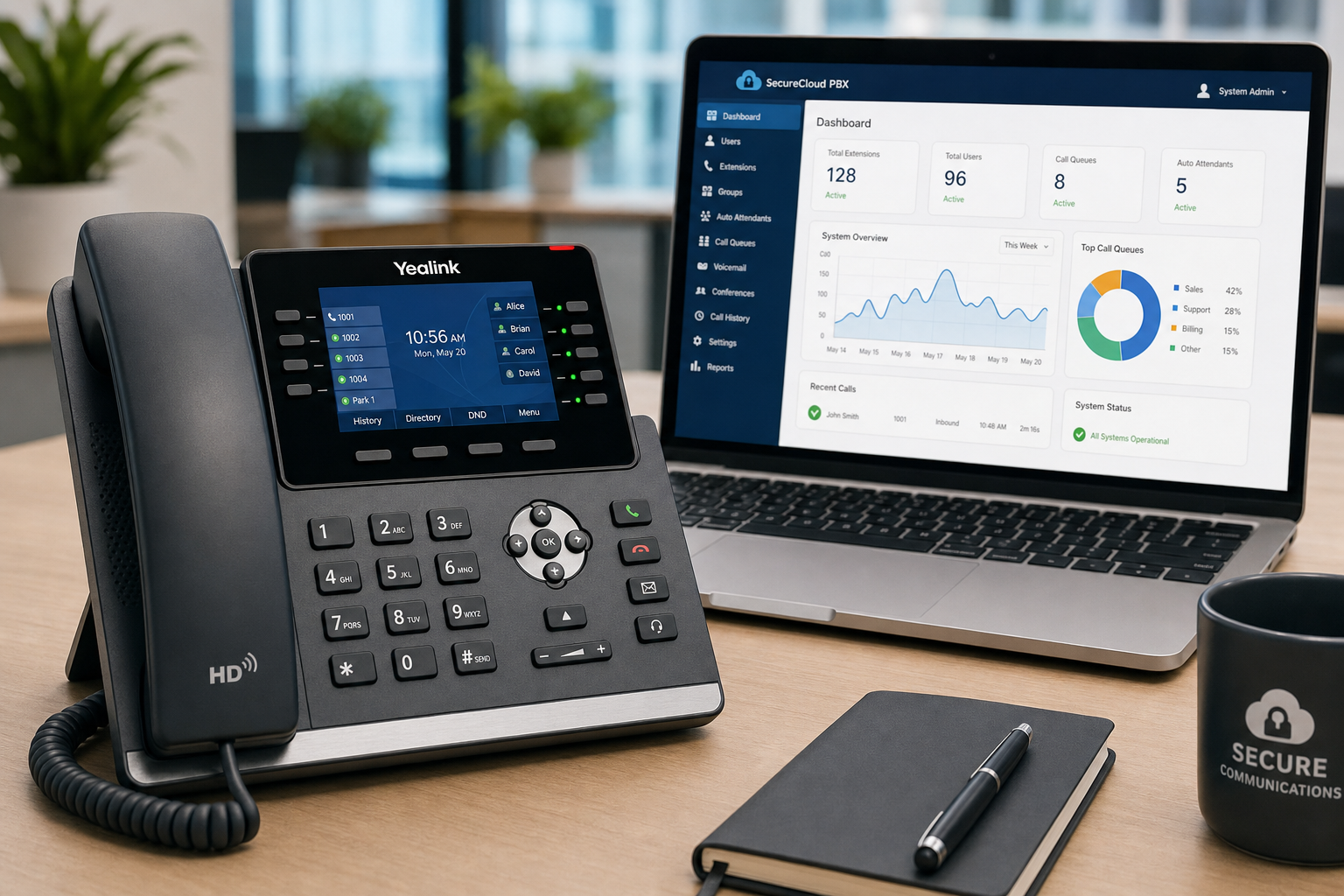
Provider Comparison: HIPAA Readiness at a Glance
Not every VoIP provider is built for healthcare. The table below compares common options Florida practice managers evaluate. Use it as a starting point — always verify current BAA availability and feature sets directly with any vendor before committing.
| Provider / Option | BAA Available | Encrypted Voicemail | Role-Based Access | Local Florida Support | Starting Price |
|---|---|---|---|---|---|
| Mynians VoIP | Yes — reviewed with your team | Yes — configurable | Yes | Yes — Winter Garden, FL team | From $22.95 per licensed user/mo |
| RingCentral | Yes (enterprise tiers) | Varies by plan | Yes | No — national call center | Higher per-line cost |
| Nextiva | Yes (select plans) | Varies by plan | Yes | No — national call center | Higher per-line cost |
| AT&T Business | Limited / complex | Not standard | Limited | Regional field techs | Varies; often bundled |
| Legacy PBX / Landline | N/A — no digital storage | No | No | Depends on vendor | High hardware cost |
| DIY Softphone Apps | Rarely available | Rarely configured | Minimal | None | Low upfront, high risk |
Note: Plan features and BAA availability change. Confirm directly with each vendor. Mynians VoIP pricing is published at voip.mynians.com/pricing.
Call Recording Rules Your Team Must Know
When Recording Creates a HIPAA Obligation
Not every call your office makes needs to be recorded. But if your system records calls by default — or if staff record calls for quality review — and those recordings contain PHI, HIPAA’s technical safeguards apply immediately. The obligation is not triggered by intent; it is triggered by the presence of ePHI in the recording file.
Encryption Requirements
Recorded call files must be encrypted both in transit and at rest. The National Institute of Standards and Technology (NIST) publishes encryption standards that HIPAA guidance references. In practice, this means your VoIP platform should use TLS for signaling and SRTP for media streams during the call, and AES-256 or equivalent encryption for stored recording files. If your current provider cannot confirm both, that is a gap your compliance team needs to document and address.
Retention and Deletion Policies
HIPAA does not set a single retention period for call recordings, but it does require that you have a documented policy. Florida medical records law sets minimum retention periods for patient records — your compliance team should confirm whether call recordings that contain clinical context fall under those requirements. Equally important: you need a documented deletion process so recordings are not sitting on a server indefinitely with no access review.
Consent and Florida’s Two-Party Notice Rules
Florida is a two-party (all-party) consent state for call recording under Florida Statute § 934.03. Every party on a call must be notified before recording begins. Your auto-attendant or hold message should include a clear recording disclosure. This is both a state legal requirement and a HIPAA-aligned practice for transparency.
Voicemail Handling and PHI Exposure Risks
Voicemail-to-Email: Convenient but Risky if Misconfigured
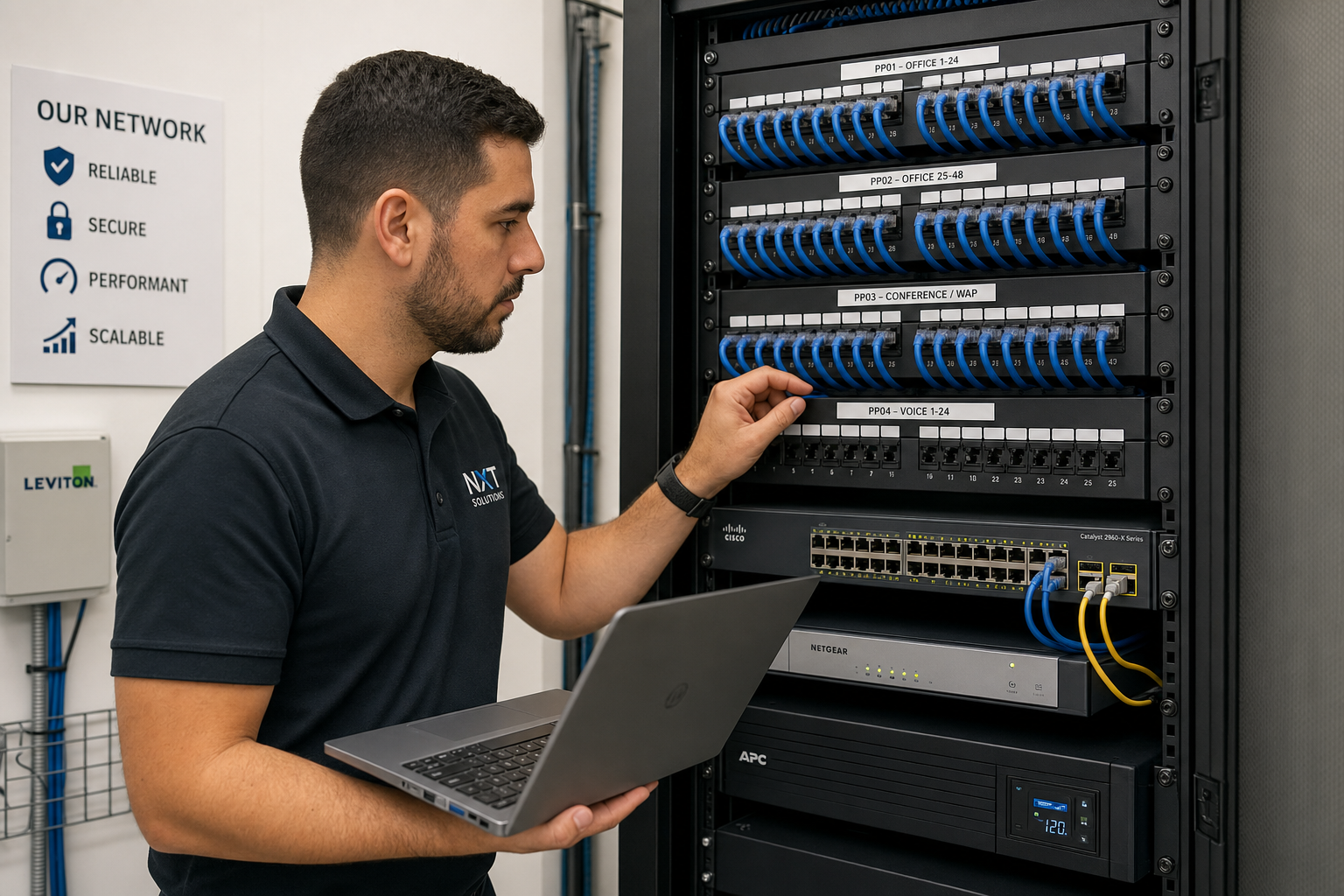
Voicemail-to-email is one of the most useful features in a modern VoIP system — and one of the most common PHI leak points in healthcare offices. When a patient leaves a voicemail and that audio file is forwarded to a staff email inbox, the file is now traveling across email infrastructure. If that email account is not encrypted, if the mailbox is shared, or if the email is forwarded to a personal account, you have a potential breach.
Your compliance review should confirm: Is voicemail-to-email delivery encrypted end-to-end? Are voicemail files stored only in role-appropriate mailboxes? Is there a policy preventing forwarding to personal email? Does your email platform have a BAA in place as well?
Voicemail Storage and Access
Voicemail stored on the VoIP platform itself must be treated the same as any other ePHI. Access should be limited to staff with a legitimate need. Shared voicemail boxes — common at front desks — need role-based access controls so that access can be audited and revoked when staff leave.
Retention and Purge Schedules
Old voicemails accumulate fast. A patient voicemail from two years ago describing a sensitive appointment reason is still PHI. Your system should have an automated or documented purge schedule aligned with your retention policy. This is not a set-it-and-forget-it item — it needs to be reviewed periodically.
Access Controls and Audit Logs
HIPAA’s Security Rule requires covered entities to implement technical policies that allow access to ePHI only by authorized persons. For a VoIP system, that means:
- Unique user credentials: Every staff member who can access call recordings or voicemail should have their own login — no shared passwords.
- Role-based permissions: A front-desk coordinator does not need access to a clinician’s direct voicemail. Permissions should match job function.
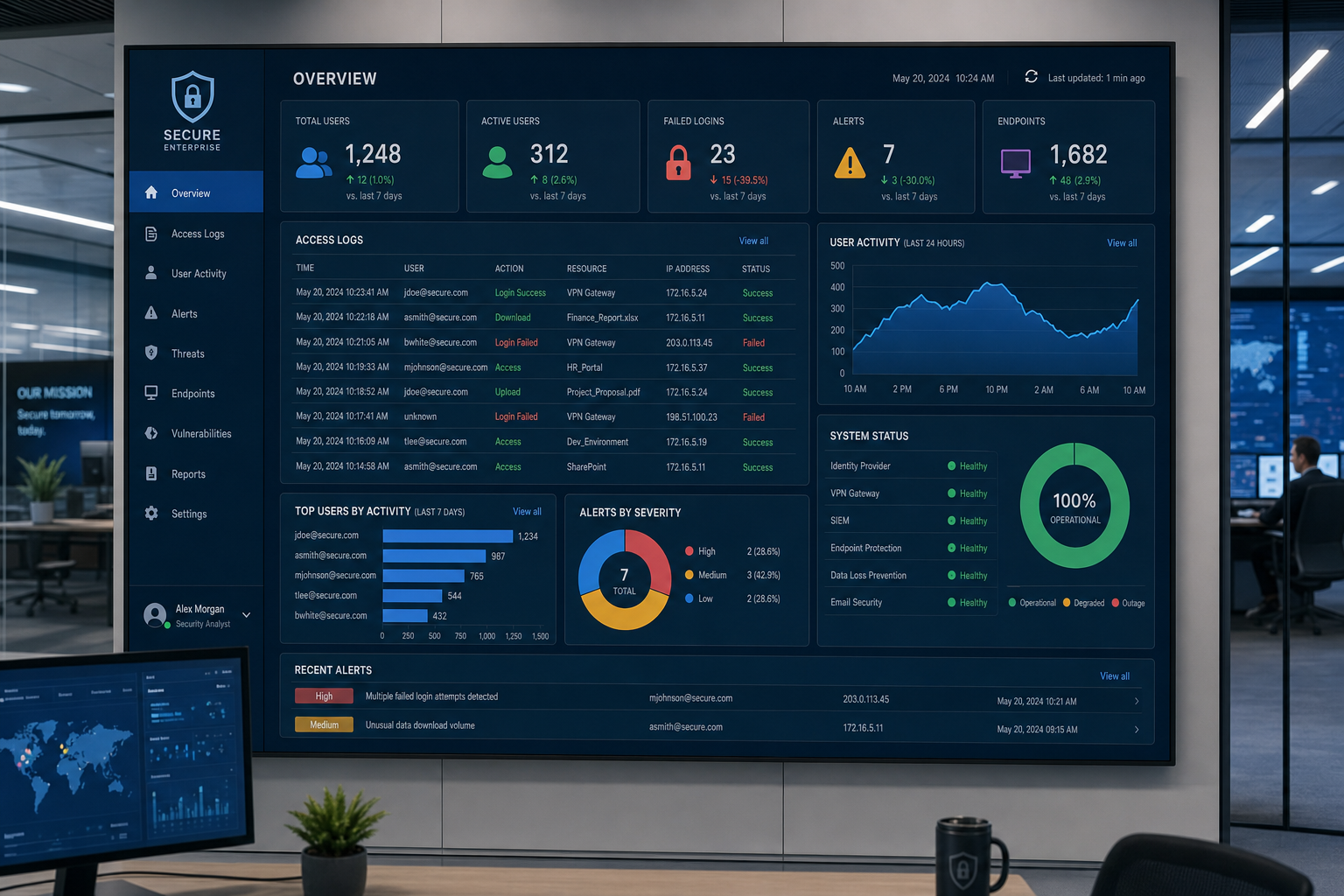
- Audit logs: Your VoIP platform should log who accessed recordings or voicemail, when, and from where. These logs need to be retained and reviewable.
- Automatic logoff: Softphone apps and web portals should time out after inactivity, especially on shared workstations.
- Remote wipe capability: If a staff member uses a mobile softphone and leaves the practice, you need the ability to revoke access and wipe credentials remotely.
The Cybersecurity and Infrastructure Security Agency (CISA) publishes access control guidance that aligns well with HIPAA’s technical safeguard requirements. Your IT team or VoIP provider should be able to map their configuration to these standards.
Vendor Responsibilities and the BAA
The Business Associate Agreement Is Non-Negotiable
Any VoIP vendor that stores, processes, or transmits PHI on your behalf is a Business Associate under HIPAA. Before you go live on any VoIP platform, a signed BAA must be in place. The BAA defines the vendor’s obligations: how they protect PHI, how they report breaches, and what happens if they subcontract to another party.
A vendor that refuses to sign a BAA — or that says their platform is “HIPAA-ready” without offering a BAA — is not a compliant option. Full stop.
What the BAA Should Cover
- Permitted uses and disclosures of PHI by the vendor
- Vendor’s obligation to implement appropriate safeguards
- Breach notification timelines (HIPAA requires notification within 60 days of discovery)
- Subcontractor obligations — if your VoIP vendor uses a third-party data center, that subcontractor must also be covered
- Return or destruction of PHI at contract termination
What Happens When You Switch Providers
Porting your numbers to a new VoIP provider is one of the most anxiety-inducing steps for any office manager — and for good reason. A botched port can leave your practice unreachable for hours or days. Mynians handles number porting end-to-end, including the LOA (Letter of Authorization) paperwork, coordination with the losing carrier, and confirmation testing before cutover. The BAA is executed before any PHI touches the new system.
For Florida practices evaluating a switch, our healthcare VoIP configurations page outlines the specific call flow configurations and safeguards we put in place for healthcare offices across Orlando, Tampa, Miami, Jacksonville, and Winter Garden.
Who This Is For — and Who It Is Not
This guide is for you if:
- You manage communications for a Florida medical, dental, therapy, or counseling office
- Your office uses or is considering a VoIP phone system with call recording or voicemail-to-email
- You are responsible for HIPAA compliance reviews and need to evaluate your phone infrastructure
- You are switching VoIP providers and want to make sure the new setup is compliant before go-live
- You have received a compliance audit finding related to communications or ePHI access
This guide is NOT for you if:
- Your office does not handle PHI in any form (non-healthcare businesses)
- You are looking for legal advice — this is operational guidance, not a legal opinion; consult your compliance counsel for legal determinations
- You are a solo practitioner with no staff and no recorded calls or stored voicemail — your exposure profile is different and simpler
Compliance Review Checklist for Florida Practices
Use this checklist in your next internal compliance review or when evaluating a VoIP vendor:
- ☐ Signed BAA in place with your VoIP provider
- ☐ Call recording encryption confirmed (TLS/SRTP in transit, AES-256 at rest)
- ☐ Recording disclosure in auto-attendant script (Florida two-party consent)
- ☐ Voicemail-to-email delivery encrypted; no forwarding to personal accounts
- ☐ Role-based access controls configured for voicemail and recording access
- ☐ Unique credentials for every staff member — no shared logins
- ☐ Audit logs enabled and retained per your policy
- ☐ Automatic session timeout on softphone apps and web portals
- ☐ Remote access revocation process documented for staff offboarding
- ☐ Voicemail and recording retention and purge schedule documented
- ☐ Subcontractor (data center) coverage confirmed in BAA
- ☐ Breach notification process with vendor confirmed and documented
- ☐ Number porting plan in place if switching providers, with BAA executed before cutover
The Federal Communications Commission (FCC) also maintains guidance on telecommunications privacy that is worth reviewing alongside your HIPAA compliance work, particularly around CPNI (Customer Proprietary Network Information) obligations that apply to your VoIP carrier.
Frequently Asked Questions
Does HIPAA require a BAA with my VoIP provider?
Yes. If your VoIP provider stores, processes, or transmits PHI on your behalf — including call recordings and voicemail — they are a Business Associate under HIPAA and a signed BAA is required before any PHI touches their system. A provider that will not sign a BAA is not a compliant option for a covered entity.
Is voicemail-to-email HIPAA compliant?
It can be, but only if the delivery is encrypted, the receiving mailbox is access-controlled, and your email platform also has a BAA in place. Voicemail-to-email forwarded to unencrypted or personal email accounts is a common PHI exposure point that compliance teams need to address explicitly.
Does Florida require all-party consent for call recording?
Yes. Florida Statute § 934.03 makes Florida a two-party (all-party) consent state for call recording. Every party on the call must be notified before recording begins. Healthcare offices should include a clear recording disclosure in their auto-attendant or on-hold messaging to satisfy both state law and HIPAA’s transparency expectations.
What encryption does a HIPAA-compliant VoIP system need?
At minimum, your VoIP system should use TLS (Transport Layer Security) for call signaling and SRTP (Secure Real-time Transport Protocol) for the audio stream during calls. Stored recordings and voicemail files should be encrypted at rest using AES-256 or an equivalent standard. NIST publishes the encryption standards that HIPAA guidance references.
How long do I need to keep call recordings under HIPAA?
HIPAA does not specify a single retention period for call recordings, but it requires that you have a documented retention policy. Florida medical records law sets minimum retention periods for patient records, and your compliance team should determine whether call recordings containing clinical context fall under those requirements. You also need a documented deletion process so recordings are not retained indefinitely without access review.
What happens to my phone numbers if I switch VoIP providers?
Your existing phone numbers can be ported to a new VoIP provider. The process involves submitting a Letter of Authorization (LOA) to the new provider, who coordinates with your current carrier. A botched port can leave your office unreachable, so it is important to work with a provider that handles porting end-to-end and confirms testing before cutover. Mynians VoIP manages the entire porting process for Florida practices and executes the BAA before any PHI touches the new system.
Why does local VoIP support matter for HIPAA compliance?
HIPAA compliance is not a one-time configuration — it requires ongoing access control reviews, audit log checks, and policy updates as staff change. A local VoIP team that knows your setup can respond quickly when something needs to change, rather than routing you through a national call center that has no context on your system. For Florida practices, having a local team also means faster on-site support if a network issue affects your phone system’s security configuration.
Update Log
- August 2026: Created and reviewed for Mynians VoIP business phone system accuracy.